The Mechanics of Algorithm-Driven Roulette Offer Qualification in British Mobile Ecosystems
Noah Foster · Aug 19, 2026
The Mechanics of Algorithm-Driven Roulette Offer Qualification in British Mobile Ecosystems
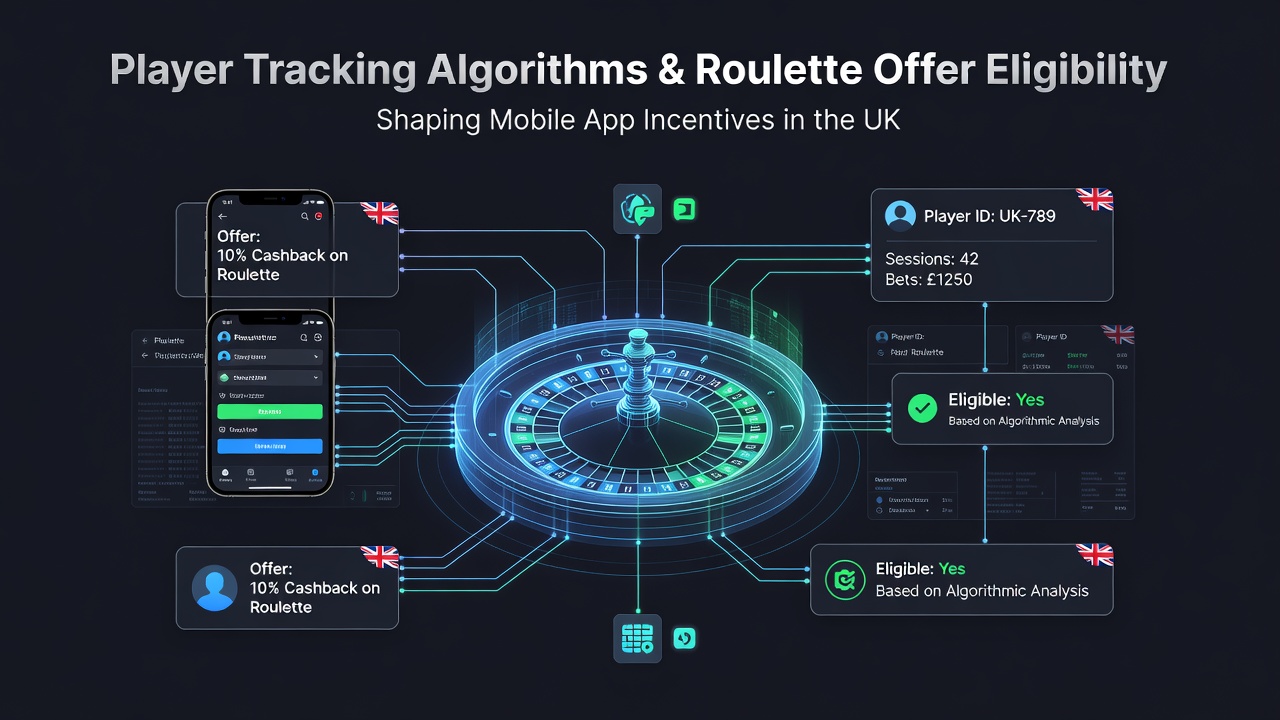
Player tracking algorithms in British mobile apps analyze vast datasets from user sessions to determine who qualifies for roulette offers, and these systems process login patterns, bet frequencies, device information, and session durations in real time. Developers integrate machine learning models that segment players into categories based on predicted lifetime value and risk profiles, which directly influences whether someone receives a bonus notification or sees an offer appear in their account dashboard. British operators rely on these tools because they help manage promotional budgets while complying with broader industry standards that emphasize responsible distribution of incentives.
Data Collection Points That Feed the Algorithms
Apps gather information at multiple touchpoints including initial registration where users provide age verification details and payment method data, then continue monitoring through every spin and deposit. Location signals from GPS and IP addresses help confirm users remain within permitted regions, while behavioral metrics track how often someone switches between roulette variants or adjusts stake sizes during a single session. These inputs combine into profiles that update continuously, so an algorithm might flag a player as high-engagement after just a few weeks of consistent activity and automatically extend eligibility for targeted promotions.
Segmentation Logic and Offer Distribution
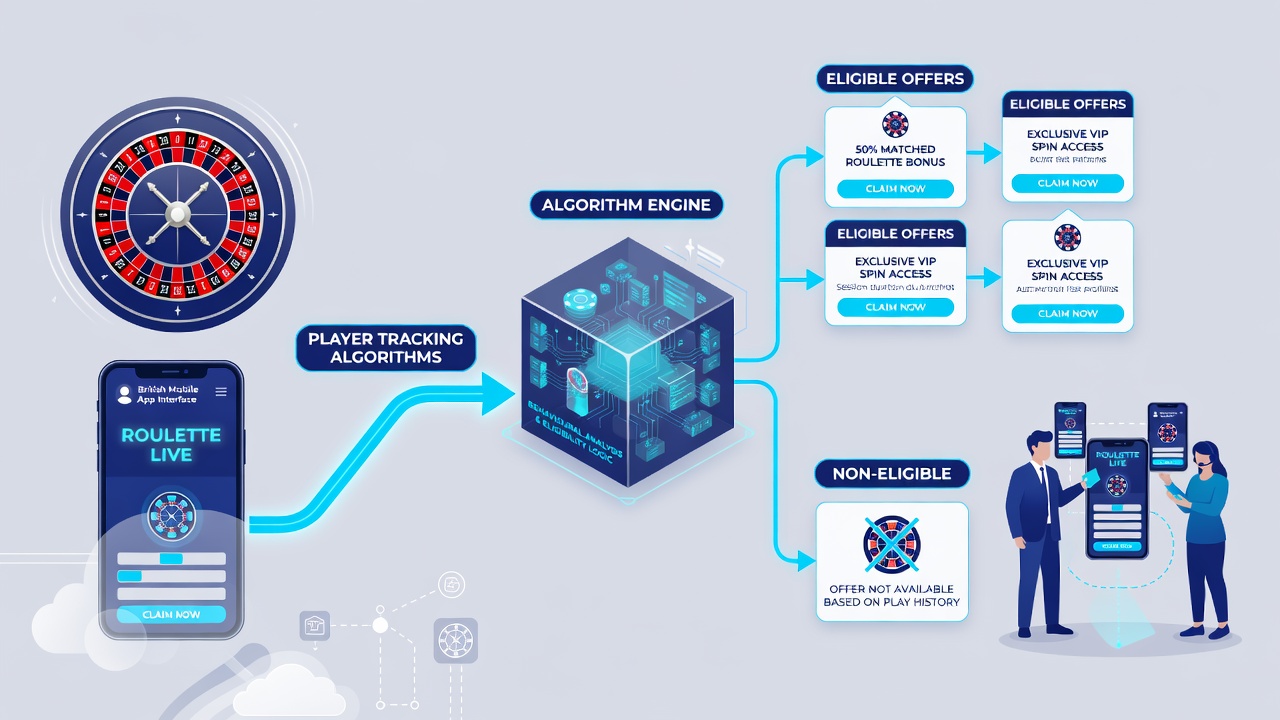
Once data enters the system, clustering techniques group users by shared characteristics such as average bet size or time spent on live dealer tables versus simulated wheels. Players who demonstrate steady play across multiple days often move into segments that receive higher-value offers, whereas those with sporadic logins might see only smaller incentives or none at all. The process operates through decision trees that weigh dozens of variables simultaneously, and adjustments happen overnight when fresh statistics refresh the models. British mobile platforms therefore present different roulette promotions to different users even when they open the same app on the same day.
Impact on Player Experiences in August 2026
By August 2026 many British apps had refined their tracking systems to incorporate cross-device recognition, allowing operators to maintain consistent profiles whether someone plays on a phone during a commute or switches to a tablet at home. This continuity means eligibility decisions follow the user across hardware, and a player who qualifies for a roulette reload bonus on one device typically retains that status on another. Observers note that such refinements reduce duplicate offers while increasing precision in who receives notifications, which in turn affects how frequently certain accounts see new roulette incentives appear.
External Influences on Algorithm Design
Industry reports from the European Gaming and Betting Association highlight how operators across Europe adapt similar tracking frameworks to local rules, and these documents show that British developers often benchmark their models against continental practices. A separate analysis published by the Canadian Centre on Substance Use and Addiction examines data ethics in digital gambling tools and notes parallels in how segmentation affects offer access in multiple jurisdictions. Both sources underscore that algorithmic decisions now incorporate more variables around session length and deposit velocity than they did five years earlier.
Technical Challenges and Refinements
Maintaining accuracy requires constant calibration because player behavior shifts with new game releases or seasonal events, and teams responsible for these systems run periodic audits to prevent drift in the models. When an algorithm begins to over- or under-predict engagement, engineers retrain it using recent months of anonymized data drawn from the entire user base. The result is a feedback loop where offer eligibility becomes increasingly responsive to subtle changes in how British users interact with roulette features on their mobile devices.
Conclusion
Player tracking algorithms therefore serve as the primary gatekeepers for roulette offer eligibility inside British mobile apps, shaping who receives promotions through continuous analysis of behavioral and technical signals. As these systems evolve they integrate additional data streams and refine segmentation methods, which keeps the distribution of incentives tied closely to observed patterns rather than uniform availability across all accounts. The approach remains central to how operators manage mobile roulette promotions throughout Britain.