Smartphone Wheel Play: Tracing Bonus Pathways in Britain's Remote Gaming Sector
Blake Vogel · Jul 1, 2026
Smartphone Wheel Play: Tracing Bonus Pathways in Britain's Remote Gaming Sector
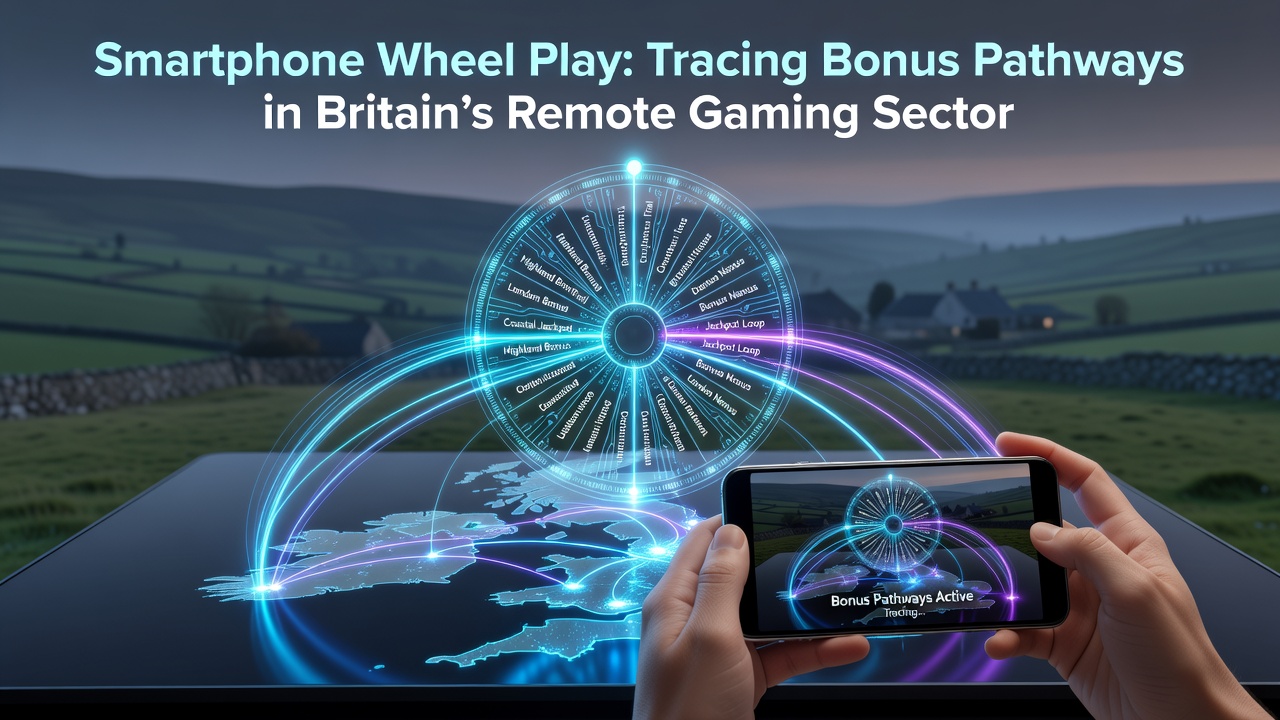
Britain's remote gaming sector has expanded steadily through smartphone platforms that deliver wheel-based games directly to users, and bonus pathways function as structured sequences where operators route promotional offers from initial registration through gameplay completion and withdrawal stages. Observers note that these pathways integrate mobile-specific features such as push notifications and app-based wallets which streamline the movement of bonus credits across devices while maintaining compliance with regional standards.
Mobile Interfaces Shape Bonus Delivery
Smartphone applications handle wheel play through touch-optimized interfaces that guide players along defined bonus routes, and data from industry reports shows increased adoption of these systems in the United Kingdom during the first half of 2026. Users encounter initial bonus allocations upon account verification which then progress through wagering stages tracked via in-app dashboards. Those who study remote gaming patterns find that pathway visibility improves when apps display real-time progress bars and eligibility timers that update automatically after each spin sequence.
Operators design these flows to accommodate varying connection speeds common on mobile networks, and researchers at academic institutions have documented how latency affects the timing of bonus credit releases. In July 2026, platform updates introduced enhanced synchronization tools that reduce delays between spin outcomes and bonus meter adjustments. This adjustment allows pathways to maintain consistency across iOS and Android environments where users switch between Wi-Fi and cellular data without interrupting credit tracking.
Pathway Components in Remote Operations
Bonus pathways consist of sequential stages including activation, accumulation, conversion, and redemption, each managed through smartphone software that logs every transaction in encrypted records. Industry organizations such as the American Gaming Association have published analyses of similar mobile structures in other markets, highlighting how data segmentation separates bonus funds from player deposits during active sessions. British remote operators apply comparable segmentation to align with broader international practices while adapting interfaces for local user behaviors observed on popular devices.
Pathway tracing becomes evident when apps provide exportable logs that detail each stage transition, and experts observe that these logs help clarify how multipliers attach to wheel outcomes under specific conditions. One study revealed that integration of biometric authentication on smartphones accelerates movement through verification checkpoints within these sequences. The process connects registration data directly to bonus ledgers without requiring repeated manual inputs during extended play periods.
Regional Data Trends Through Mid-2026
Figures compiled by regulatory bodies in neighboring regions indicate that remote gaming participation via smartphones rose notably in Britain by July 2026, with wheel-based titles contributing measurable portions of session volumes. Canadian provincial reports on digital gaming activity offer comparative context, showing parallel growth in mobile bonus utilization rates across similar demographic groups. Those who analyze cross-border patterns note that British operators have incorporated elements from these models to refine pathway efficiency on domestic platforms.
Smartphone sensors now feed additional data points into bonus calculation engines, allowing pathways to adjust dynamically based on device orientation and usage duration. Research indicates that such adaptations reduce instances where bonus credits stall during transition phases. Observers track these developments through aggregated anonymized datasets that reveal consistent completion rates for pathways exceeding a set number of wheel rotations.
Technical Elements Supporting Pathway Integrity
Encryption protocols embedded in gaming applications protect the integrity of bonus pathways as they traverse public networks, and developers continue to refine these measures in response to emerging security requirements. University-led examinations of mobile gaming infrastructure have identified how cloud-based synchronization maintains continuity when users pause and resume sessions across multiple devices. This continuity proves essential for pathways that span several days and involve cumulative spin requirements.
Operators deploy A/B testing frameworks within apps to evaluate which interface variations accelerate progression through later pathway stages, and results feed back into iterative updates released during 2026. The approach connects user interaction metrics directly to backend systems that recalibrate bonus release schedules without altering core rules. Evidence suggests these refinements support higher retention within remote environments where smartphone access dominates daily engagement patterns.
Conclusion
Smartphone wheel play continues to define how bonus pathways operate within Britain's remote gaming sector, with technical and data-driven elements guiding their structure and progression. Reports from organizations outside the United Kingdom provide useful benchmarks for ongoing refinements, while platform updates in July 2026 demonstrate continued focus on mobile-specific optimizations. Those who monitor these systems recognize that pathway tracing relies on integrated app features and regulatory alignment that together sustain operational clarity across the sector.