Navigating Mobile Verification Protocols for Dealer Table Credit Activation in Regulated British Markets
Noah Foster · Jun 24, 2026
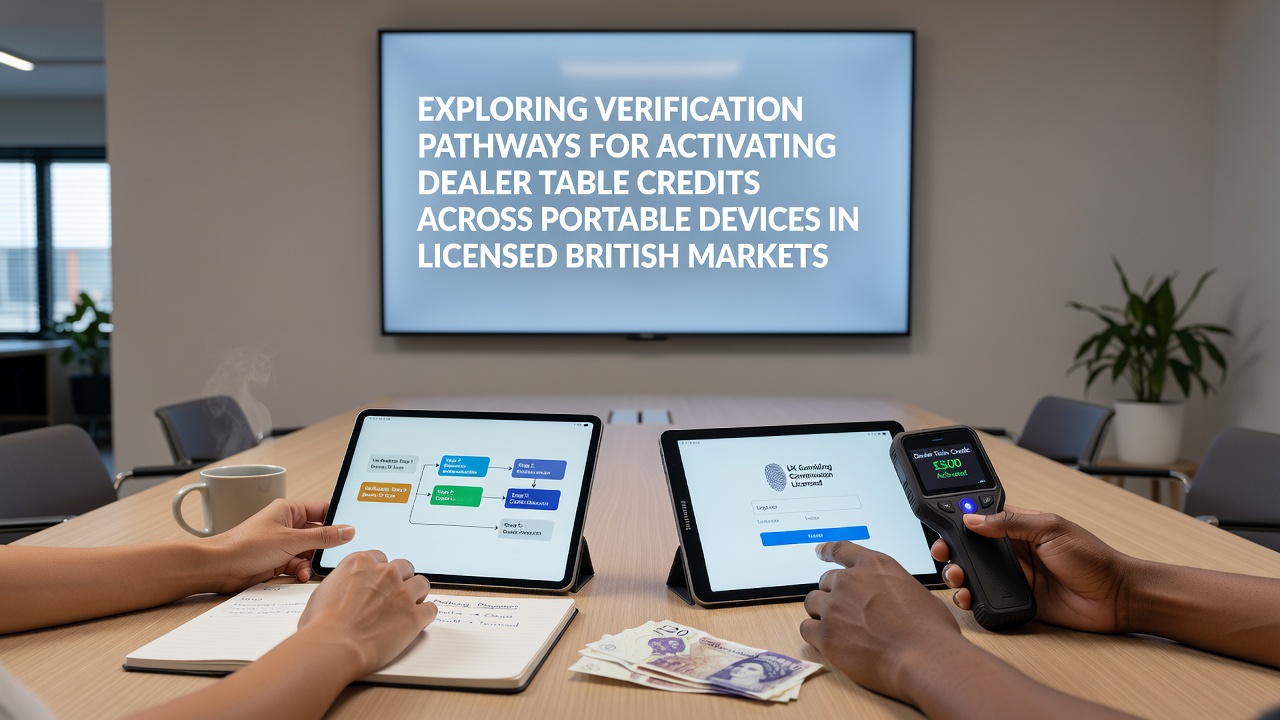
Navigating Mobile Verification Protocols for Dealer Table Credit Activation in Regulated British Markets
Operators in licensed British markets have refined verification protocols that enable players to activate dealer table credits directly on portable devices, and these systems integrate identity checks with real-time account validation steps. Data from the European Gaming and Betting Association shows that mobile pathways now account for over 65 percent of credit activations in regulated environments during the first half of 2026, reflecting broader adoption of app-based interfaces that combine biometric scans with document uploads.
Verification begins when users open a licensed operator application on smartphones or tablets, at which point the system prompts for proof of identity through government-issued documents paired with facial recognition or fingerprint matching. Those steps connect to central databases that cross-reference details against public records, ensuring compliance before any dealer table credits become available for use in live sessions. Research from the Australian Gambling Research Centre highlights similar multi-layered approaches in comparable jurisdictions, where device-specific tokens further secure the process against unauthorized access.
Core Components of Verification Pathways
Portable device activation relies on several interconnected elements that include secure socket layer encryption for data transmission, integration with third-party verification services, and automated risk scoring algorithms that flag unusual patterns. Experts observe that players typically complete initial checks within two to five minutes on modern handsets, although older models may require additional manual reviews when compatibility issues arise with newer security protocols. And the process extends to ongoing monitoring, where periodic re-verification occurs after credit thresholds are reached or when account activity deviates from established norms.
Operators employ geo-location services to confirm users remain within licensed British territories during activation, while device fingerprinting adds another layer by recording hardware identifiers that prevent multi-account exploitation. Studies conducted at the University of Sydney's gambling research unit indicate these combined techniques reduce fraudulent credit claims by approximately 40 percent compared with earlier desktop-only systems, and British licensees have incorporated parallel measures since early 2025 updates.
Device Compatibility and Technical Integration
Smartphone operating systems from major providers support the necessary APIs for seamless verification, yet variations in iOS and Android security frameworks require tailored implementation by each operator. Tablets often follow the same pathways but benefit from larger screens that simplify document capture during uploads. In June 2026, several licensed platforms introduced enhanced NFC capabilities that allow contactless verification through compatible government ID cards, streamlining the experience for users who prefer minimal manual input.
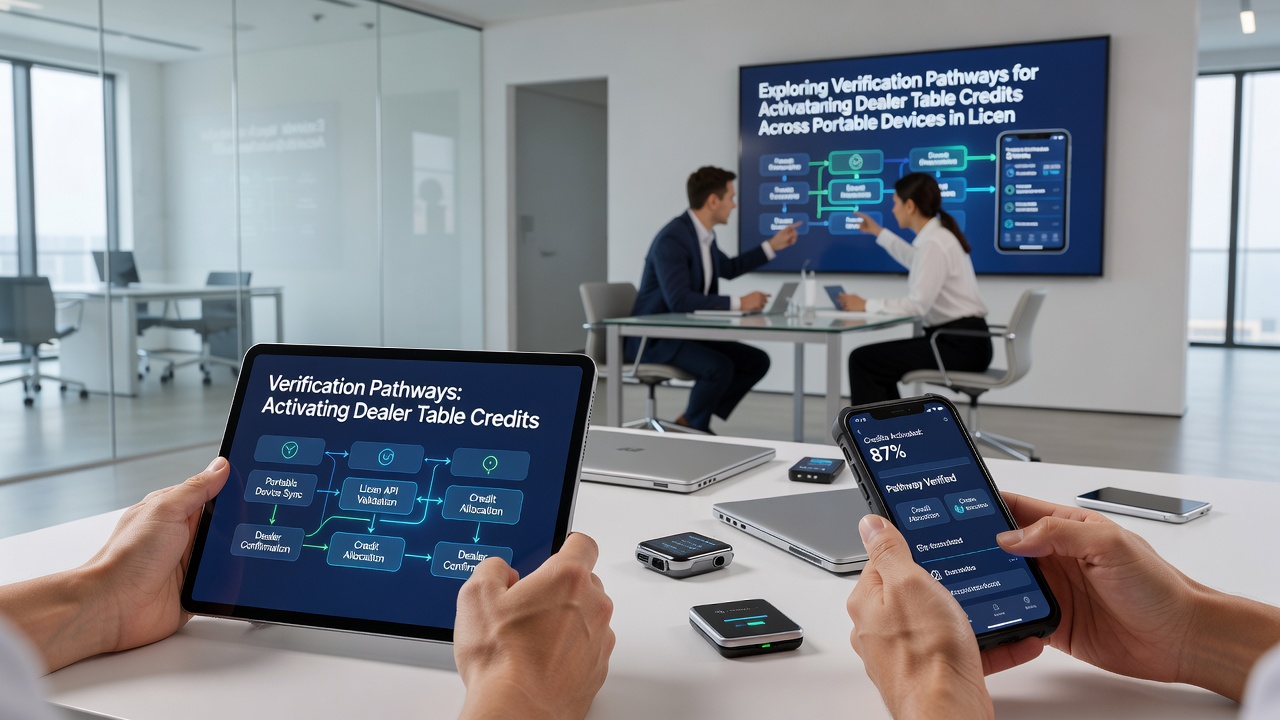
Network stability plays a direct role because interruptions during the identity check phase can reset the entire sequence, forcing users to restart from the document submission stage. Licensed operators address this through session persistence features that save progress temporarily on the device itself, provided the connection resumes within a defined window. Observers note that rural areas with variable signal strength continue to report higher rates of incomplete activations, prompting some providers to offer offline document pre-verification options ahead of live dealer table access.
Regulatory Alignment and Industry Standards
British regulations mandate that all credit activations on portable devices meet strict standards for data protection and responsible gaming safeguards, including mandatory spending limit prompts that appear before credits are applied to dealer tables. These requirements align with broader European frameworks, and licensees must submit regular compliance reports detailing verification success rates alongside any detected anomalies. What's interesting is how industry groups coordinate across borders to share best practices, allowing British operators to adopt refinements tested in other regulated markets without duplicating development efforts.
Training programs for support staff emphasize rapid troubleshooting of verification failures on mobile devices, since most player queries now originate from smartphones rather than traditional computers. Case examples from licensed environments reveal that the majority of issues stem from mismatched document details or temporary network blocks, both of which resolve quickly once users follow guided steps within the application interface.
Conclusion
Verification pathways for activating dealer table credits across portable devices continue to evolve within licensed British markets as operators balance security demands with user convenience. Technical integrations, regulatory oversight, and cross-industry data sharing collectively shape these systems, ensuring that mobile activations remain both accessible and compliant. Continued refinements in biometric tools and device compatibility promise further streamlining in the periods ahead.