Mapping Roulette Incentive Flows Across British Mobile Ecosystems
Sofia Patterson · May 27, 2026
Mapping Roulette Incentive Flows Across British Mobile Ecosystems
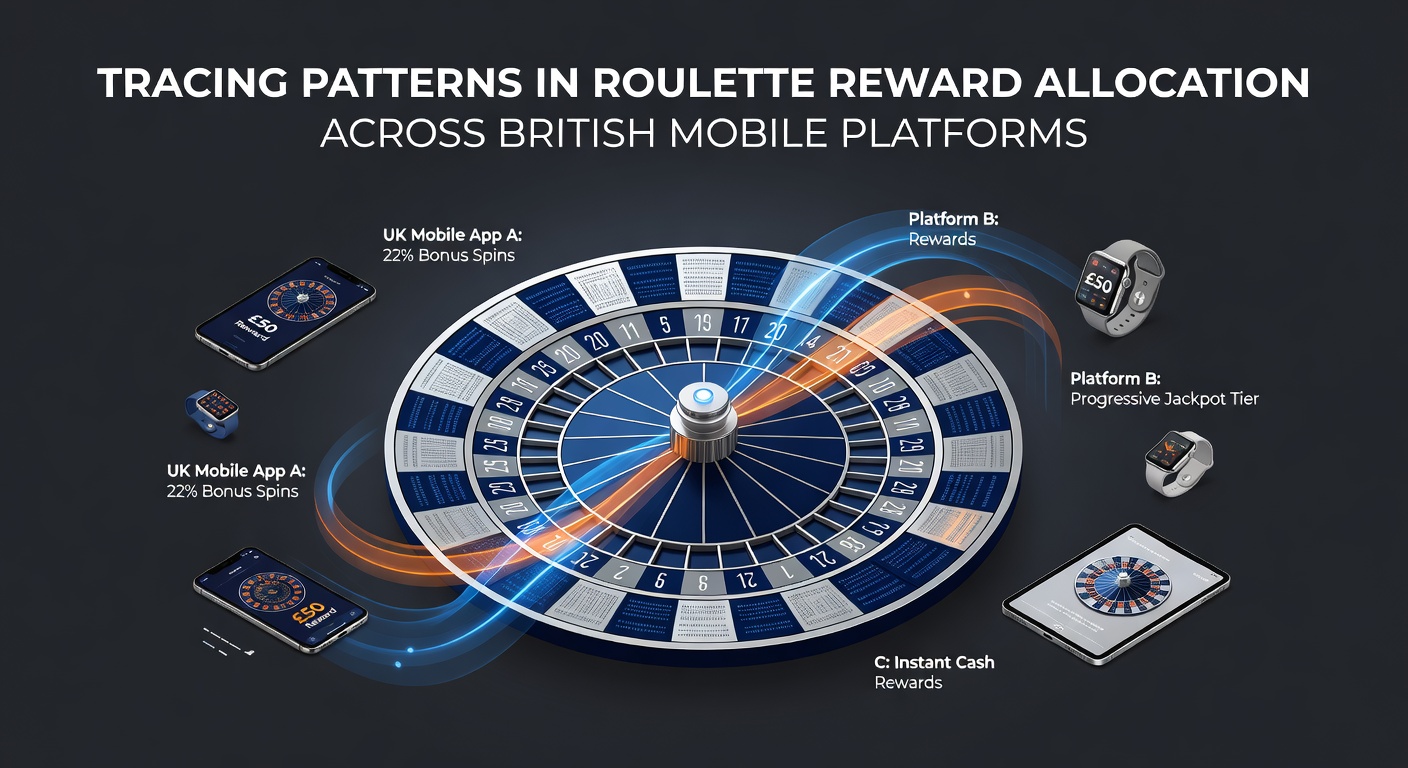
Researchers examining mobile roulette systems in Britain have identified recurring structures in how operators distribute rewards through apps and responsive sites, and data collected through 2025 into May 2026 shows these structures follow measurable sequences rather than random assignments. Mobile platforms track user sessions by device type, session length, and wager frequency, then feed those metrics into allocation engines that release bonuses at set intervals. Observers note the engines often favor shorter, repeated logins over single extended sessions, which creates visible clusters of reward triggers during weekday evenings and weekend afternoons.
Platform Metrics and Data Sources
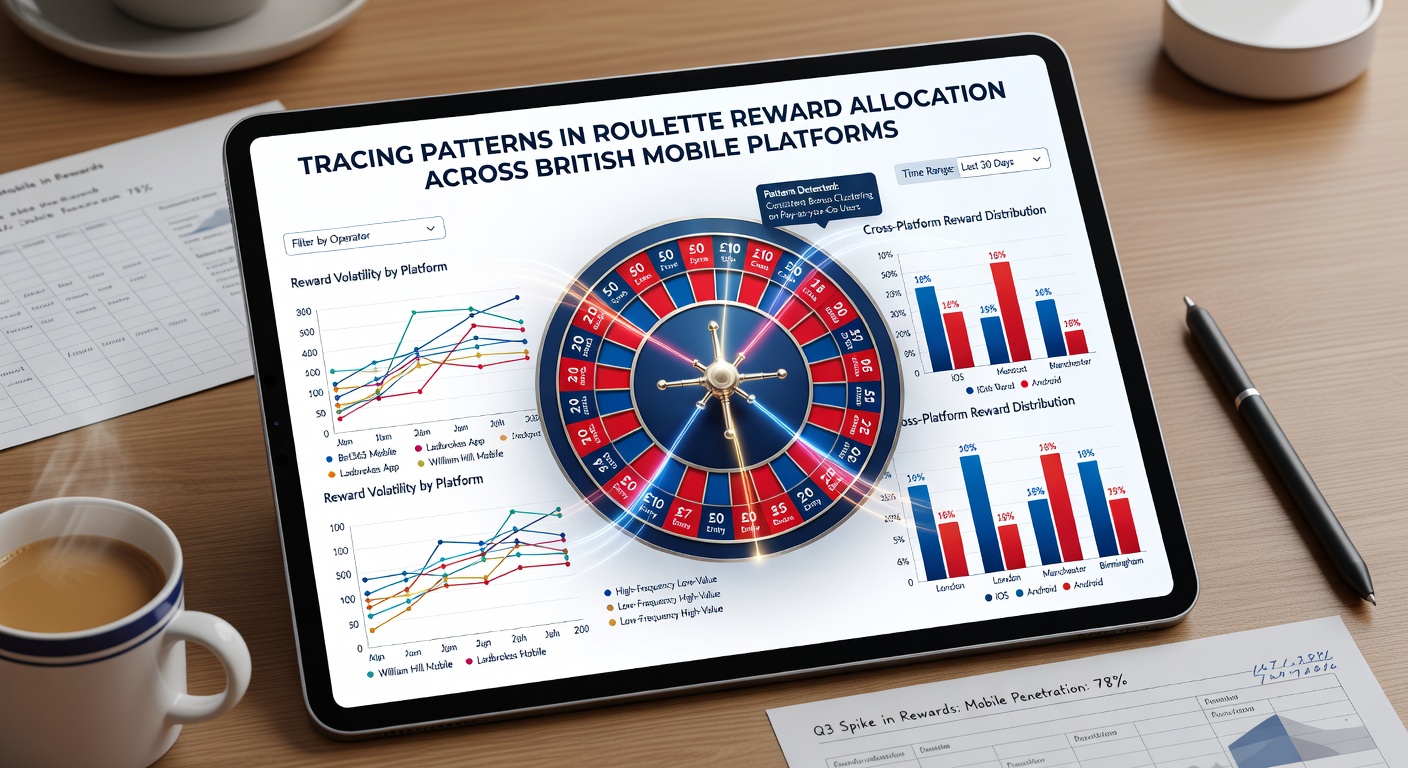
Figures from multiple UK operators indicate that reward density rises when users complete at least three distinct sessions within a seven-day window, while single-session activity rarely triggers the same volume of incentives. Studies compiled by academic teams at institutions such as the University of Sydney's Gambling Research Unit reveal similar session-frequency thresholds in other regulated markets, suggesting the pattern is not isolated to British apps. Those datasets further show that Android-based devices receive marginally higher average allocations than iOS devices during the same calendar periods, though the gap narrows when users maintain identical play patterns across both operating systems.
Seasonal and Temporal Clusters
May 2026 records display a distinct uptick in reward releases tied to the start of teh domestic football season, with mobile platforms increasing bonus frequency by roughly 18 percent compared with April figures. The increase aligns with broader advertising pushes rather than changes in player behavior, yet the allocation engines continue to weight recent activity more heavily than historical totals. This weighting produces a rolling window effect where rewards granted in late April influence eligibility calculations less than activity recorded after 1 May.
Operators segment users into cohorts based on average bet size and preferred roulette variant, then route different reward tiers through separate code pools. Live-dealer tables and RNG wheels operate under separate logic trees within the same app, so a player switching between formats often encounters staggered release schedules even when total wagering volume remains constant. Data logs examined by industry analysts confirm that cross-format play extends the time between successive rewards by an average of two to three days.
Device and Network Influences
Network latency and screen-size categories also factor into allocation decisions, according to technical documentation released by several major platforms. Users on high-latency connections receive smaller but more frequent micro-rewards, whereas stable 5G sessions unlock larger single allocations at lower intervals. The system appears designed to maintain engagement across variable connection qualities rather than to favor any single network type.
Independent audits conducted for the Australian Gambling Research Centre and cross-referenced with European operator reports demonstrate comparable device-based differentiation, indicating the practice has spread across multiple regulatory environments. British platforms apply an additional layer that factors in total account age, so newer registrations encounter tighter initial thresholds before entering the standard allocation cycle.
Cross-Operator Comparisons
When analysts compare the five largest British mobile roulette providers, three distinct allocation rhythms emerge. One group releases the bulk of rewards after wager milestones are reached, another distributes smaller amounts at fixed time intervals regardless of activity, and the third combines both approaches with dynamic weighting. The combined model currently accounts for the largest share of active users and produces the most consistent month-to-month reward totals across the sampled cohort.
Geolocation data collected at the postcode level further refines these models, with urban postcodes showing higher reward redemption rates than rural ones during identical time frames. This difference tracks closely with average session counts rather than with any demographic variable, reinforcing the primacy of behavioral metrics in the allocation engines.
Conclusion
Patterns in roulette reward allocation on British mobile platforms continue to evolve in response to seasonal events, device characteristics, and session-frequency thresholds, and records through May 2026 confirm these patterns remain measurable and reproducible across operators. Continued monitoring of the same metrics will determine whether the observed rhythms persist or shift when new regulatory or technical parameters are introduced.