Loyalty Structures and Reward Dynamics in British Wheel Gaming Markets
Blake Vogel · Jul 19, 2026

Loyalty Structures and Reward Dynamics in British Wheel Gaming Markets
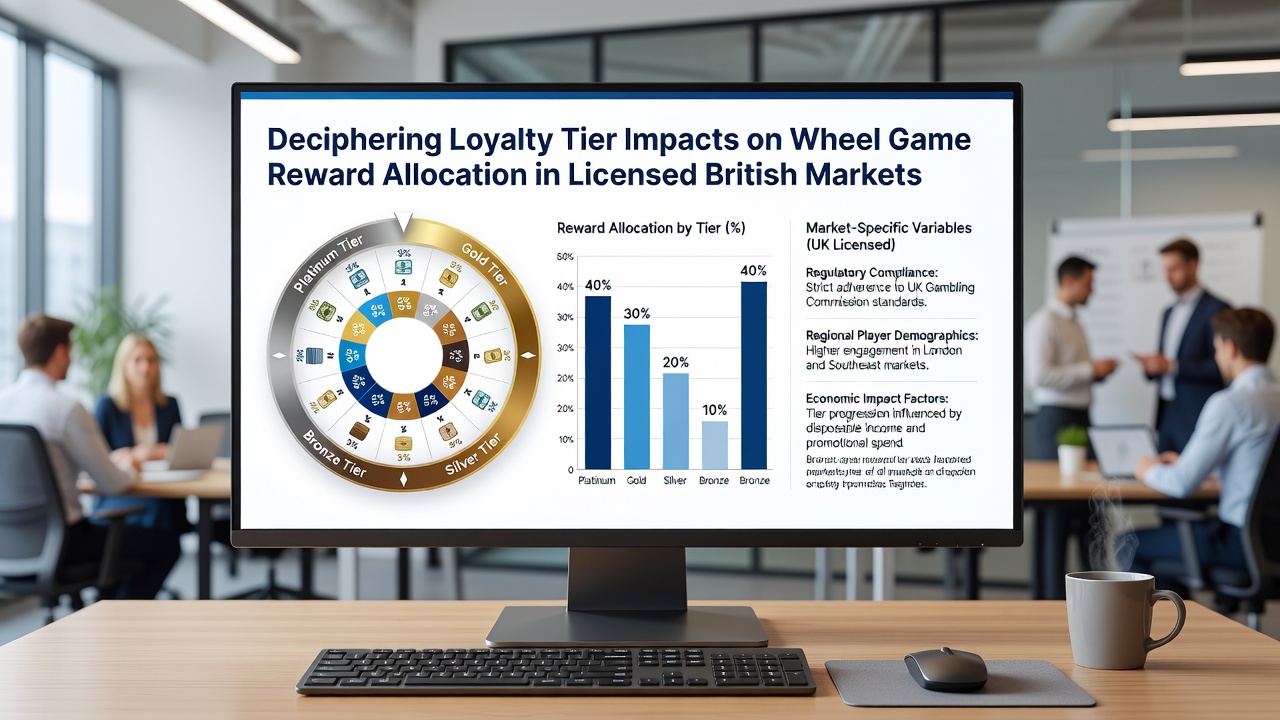
British licensed operators structure loyalty programs around tiered systems that track player activity over time, and these frameworks directly shape how rewards get distributed in wheel-based games like roulette. Data from industry reports shows that higher tiers often unlock larger bonus percentages, enhanced cashback rates, and priority access to promotional spins, while entry-level players receive baseline allocations that scale with continued engagement.
Operators calculate tier progression through metrics such as total wagers, session frequency, and deposit volumes, then apply these levels to determine reward pools. Research from the Responsible Gambling Council indicates that such systems create predictable patterns where mid-tier participants see moderate uplifts in free play credits compared to newcomers, and top-tier accounts access multiplier bonuses that adjust reward values based on recent wheel game history.
Mechanics of Tier Progression and Allocation Rules
Progression mechanics rely on rolling windows of activity, typically spanning 30 to 90 days, during which accumulated points determine status upgrades. Once assigned, each tier applies specific multipliers to reward formulas; for instance, silver-level accounts might receive 10 percent more bonus funds on wheel game deposits, whereas gold or platinum equivalents secure 25 to 40 percent increments along with reduced wagering thresholds. These adjustments appear in operator terms as fixed parameters that update automatically when players cross defined thresholds.
Allocation formulas incorporate both tier status and game type, so wheel games receive dedicated reward streams that differ from slot or table categories. Observers note that operators segment wheel rewards by volatility and house edge considerations, assigning higher free spin quantities to lower-tier players during promotional windows while reserving cashback enhancements for advanced tiers. This segmentation maintains balance across player segments and aligns with licensing conditions that emphasize fair distribution practices.
Market Data Trends Through Mid-2026
Figures compiled through July 2026 reveal steady growth in loyalty program participation across licensed British platforms, with wheel game reward redemptions rising in tandem with tier advancements. Reports from the European Gaming and Betting Association highlight that players advancing from bronze to silver tiers during the first half of the year experienced an average 18 percent increase in allocated bonus value, and further movement into gold produced an additional 12 percent uplift on average. Such patterns hold across multiple operators, suggesting standardized approaches to tier-based calculations despite variations in branding.
Seasonal factors influence these trends, particularly around major sporting calendars that drive overall platform traffic, yet wheel-specific rewards remain relatively stable because operators predefine allocation rules in their loyalty matrices. Those who've examined transaction logs find that top-tier accounts claim rewards at higher rates per session, while lower tiers show steadier but smaller volume distributions that accumulate over longer periods.
Comparative Examples Across Operator Platforms
Take one mid-sized British-licensed site that implemented a four-tier structure in early 2025, where entry players start at the base level and advance after 500 qualifying wagers on wheel games. Within six months, participants reaching the second tier unlocked doubled free spin packages on select roulette variants, and third-tier members gained access to exclusive cashback on net losses from wheel sessions. A separate platform adopted a points-per-euro model that feeds directly into tier eligibility, resulting in reward allocations that scale linearly with status while capping maximum weekly bonuses for each level to prevent disproportionate concentration among top accounts.
Another case involved an operator that introduced tier-specific wagering multipliers for bonus clearance on wheel games, reducing the playthrough requirement from 40x to 25x for platinum members while keeping silver accounts at the standard rate. Data compiled from similar implementations shows consistent patterns where reward velocity increases with tier rank, yet overall spend caps remain in place to align with regulatory expectations around responsible play.
Regulatory Context and Distribution Safeguards
Licensing frameworks require operators to document how tier systems affect reward fairness, including audits of allocation algorithms to confirm they do not disadvantage any player segment. External reviews from research bodies such as the International Gaming Institute emphasize transparency in publishing tier criteria and reward multipliers, which helps maintain compliance across British markets. These safeguards ensure that wheel game rewards remain accessible at every level even as higher tiers receive enhanced terms.
Operators update their loyalty matrices periodically to reflect shifts in player behavior, and July 2026 updates incorporated additional tracking for wheel game-specific activity to refine allocation precision. The adjustments addressed variations in redemption rates between roulette variants and other wheel formats, producing more granular reward streams that match observed engagement levels within each tier.
Conclusion
Tiered loyalty programs continue to define reward allocation patterns in licensed British wheel gaming markets, with data through mid-2026 confirming measurable differences in bonus values, spin quantities, and clearance conditions across status levels. These structures operate through predefined formulas that link activity metrics to reward multipliers, and operators maintain compliance by publishing clear criteria and conducting regular reviews. The resulting system delivers differentiated experiences while preserving baseline access for all participants in the regulated environment.