Identity Verification Protocols Shape Table Game Reward Access in Mobile Platforms
Logan Vogel · Aug 21, 2026
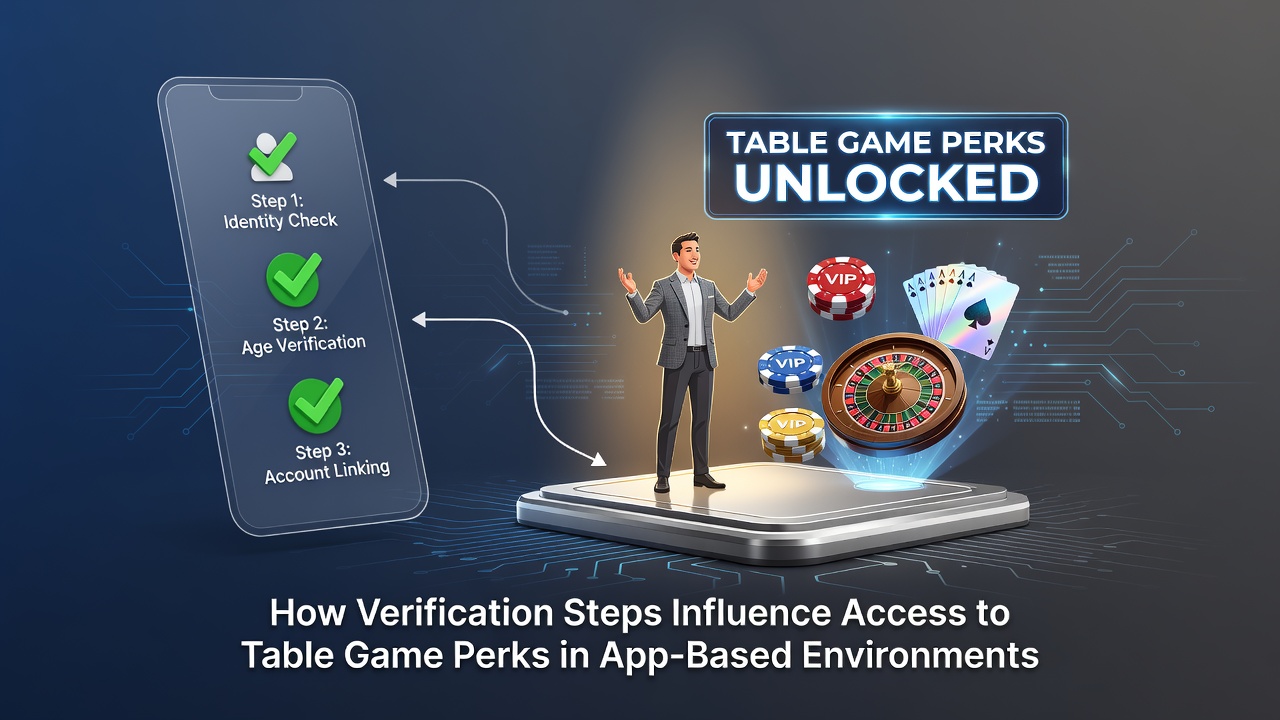
Identity Verification Protocols Shape Table Game Reward Access in Mobile Platforms
App-based environments for table games have expanded rapidly in recent years, and verification steps now serve as primary gateways to promotional rewards such as deposit matches, cashback offers, and free-play credits. These procedures typically include document uploads, biometric scans, and address confirmations that platforms require before releasing perks tied to roulette, blackjack, and poker variants.
Core Components of Verification in Digital Table Game Settings
Platforms implement layered checks that begin with basic registration details and progress to full identity confirmation once users attempt to claim incentives. Government-issued identification, utility bills, and sometimes facial recognition technology form the standard sequence, while automated systems cross-reference data against public records to flag discrepancies. Data from regulatory sources shows that incomplete submissions often delay perk activation by several days or result in outright denial.
Regional authorities enforce these requirements differently, with bodies such as the Pennsylvania Gaming Control Board mandating strict timelines for verification completion in licensed apps. Similar frameworks appear in other jurisdictions where operators must balance compliance with user retention goals.
Effects on Perk Distribution Timelines
Verification duration directly determines when table game bonuses become available, because many apps lock promotional funds until accounts receive full approval. Users who submit clear documentation early often gain access within 24 to 48 hours, whereas those encountering mismatches face extended reviews that can stretch beyond a week. Research from academic studies on digital gambling systems indicates that streamlined biometric options reduce average wait times compared with manual document reviews alone.
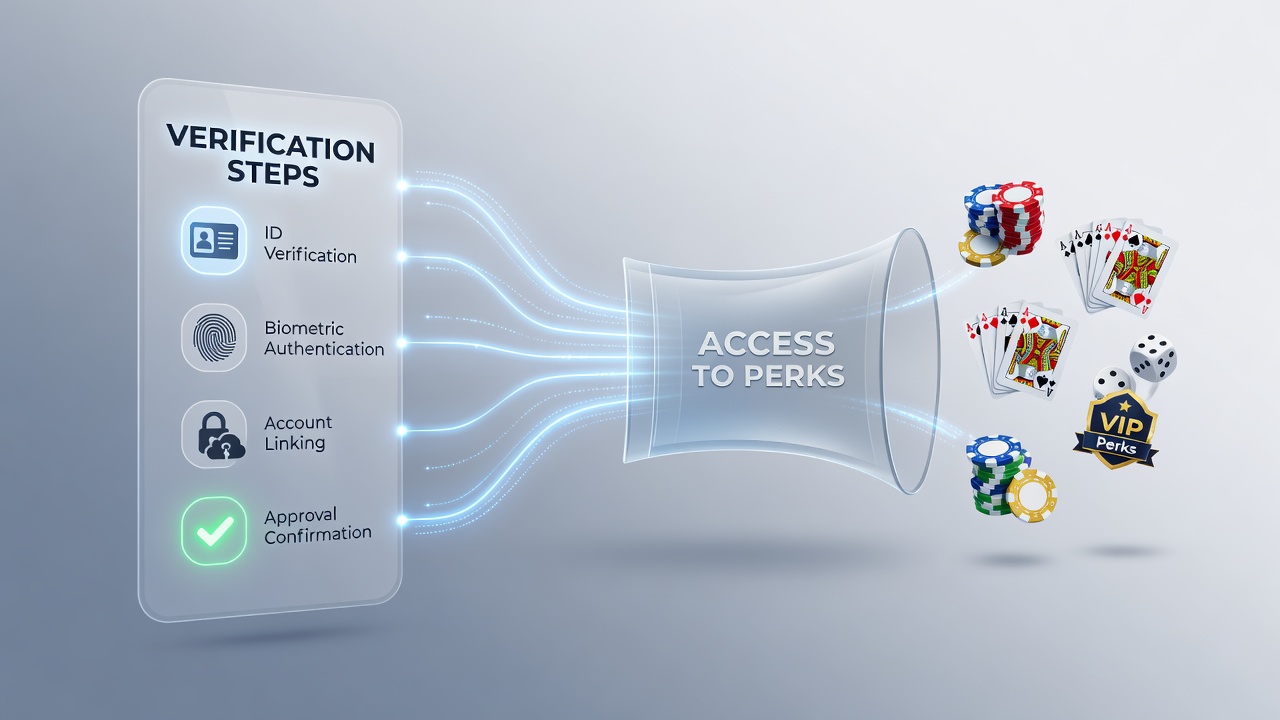
Seasonal spikes in activity, including those observed around major sporting events in August 2026, tend to increase verification backlogs at some operators, which in turn postpones reward releases for new accounts. Platforms respond by deploying additional automated screening tools that clear routine cases faster while routing complex submissions to human reviewers.
Regional Variations in Verification Standards
North American and European markets display distinct approaches, with some Canadian provincial regulators emphasizing real-time database checks that accelerate approvals for repeat users. Australian oversight bodies have introduced guidelines encouraging operators to integrate third-party verification services that cut processing times while maintaining compliance records. These differences create varied user experiences depending on the app's licensing jurisdiction and the specific table game categories offered.
Observers note that apps serving multiple regions often apply the strictest standard across their user base to avoid regulatory conflicts, which can extend verification for everyone regardless of location. Figures released by industry research groups reveal that platforms using unified global systems report higher completion rates once initial friction points are addressed through clearer in-app instructions.
Technical Integration and User Flow
Modern apps embed verification prompts directly into the reward claim process, guiding users through each stage with progress indicators and error messaging that explain required corrections. Integration with secure document scanning reduces manual entry errors, yet connectivity issues on mobile networks sometimes interrupt uploads and force restarts. Those who study app analytics report that drop-off rates peak during the address verification stage, prompting developers to add alternative confirmation methods such as bank statement links.
Operators track completion metrics closely because verified accounts show higher engagement with table game features once perks activate. This correlation appears consistently in operational reports shared at industry conferences, where session length and deposit frequency rise measurably after successful verification.
Conclusion
Verification steps function as essential filters that control the timing and availability of table game perks across app-based platforms, with outcomes shaped by documentation quality, regional rules, and technological implementation. Continued refinement of these processes by operators and regulators alike determines how efficiently users transition from registration to active participation in promotional structures.