Bonus Code Lifecycles Drive Long-Term Roulette Engagement in Smartphone Environments
Logan Vogel · Aug 12, 2026
Bonus Code Lifecycles Drive Long-Term Roulette Engagement in Smartphone Environments
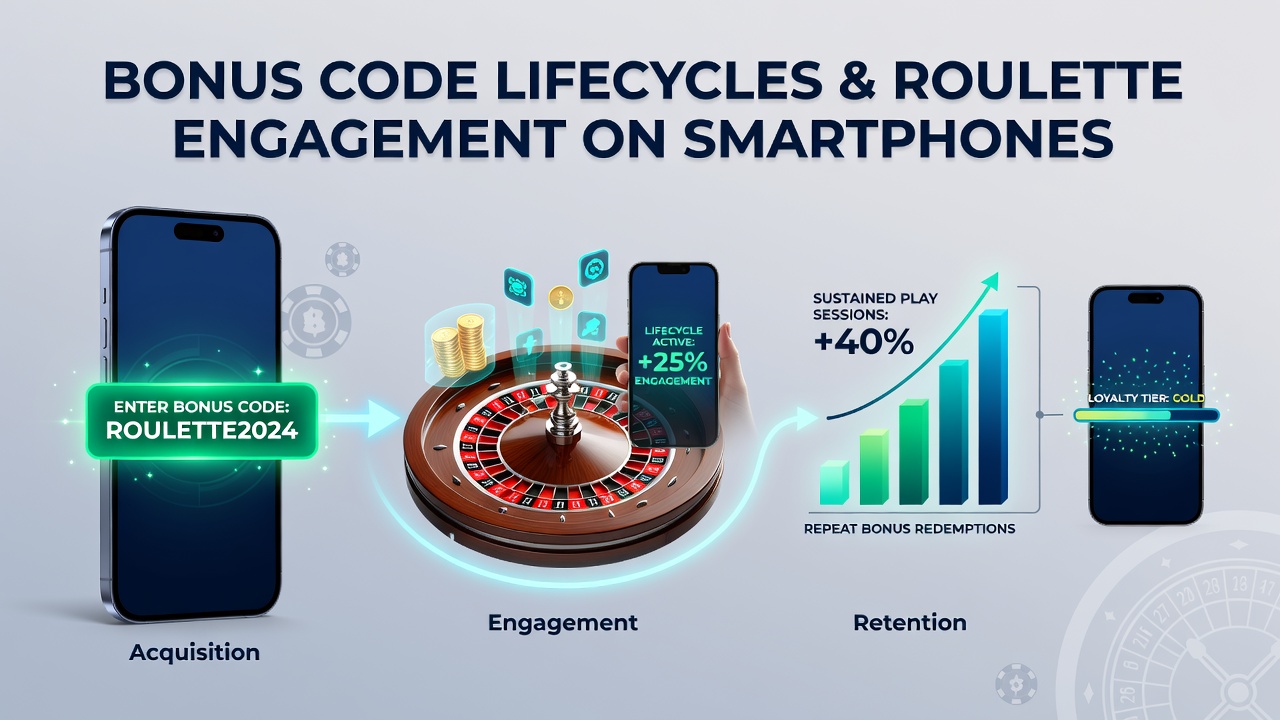
Bonus code lifecycles follow structured phases that begin with issuance, move through activation and wagering requirements, and conclude with expiration or redemption, and these stages help maintain consistent roulette activity on smartphones by aligning incentives with player habits over extended periods. Data from mobile gaming platforms shows that codes with defined lifecycles encourage repeated sessions rather than one-time use, because each phase introduces new conditions that prompt users to return and engage with roulette wheels in apps.
Phases Within Bonus Code Lifecycles on Mobile Devices
Issuance occurs when operators distribute codes through app notifications or email campaigns, and this initial stage sets parameters such as validity windows that typically span seven to thirty days. Activation follows when players enter the code in the smartphone interface, at which point the bonus attaches to an account and triggers tracking mechanisms that monitor spins and bets. Researchers at the University of Nevada, Reno documented how these early phases correlate with higher login frequencies, since users monitor progress toward clearance through in-app dashboards.
Wagering requirements form the core middle phase, where players must place bets at specific volumes before withdrawing winnings, and smartphone interfaces simplify this process by displaying real-time counters. Codes designed with tiered requirements sustain engagement because they stretch across multiple days or weeks, prompting daily roulette sessions on mobile devices. Expiration marks the final phase, and operators often send reminders as deadlines approach, which data indicates leads to increased activity in the hours before codes lapse.
Integration With Smartphone Features and Player Patterns
Smartphone push notifications and touch-optimized roulette tables interact directly with bonus code lifecycles, since apps deliver updates about remaining wagering thresholds or impending expirations while users are away from desktops. Observers note that codes lasting longer than two weeks tend to align with commute or evening routines, where players access roulette games during short mobile sessions. In August 2026, analytics from several platforms revealed that lifecycle-aligned promotions produced steadier daily active user counts compared to static offers without phased structures.
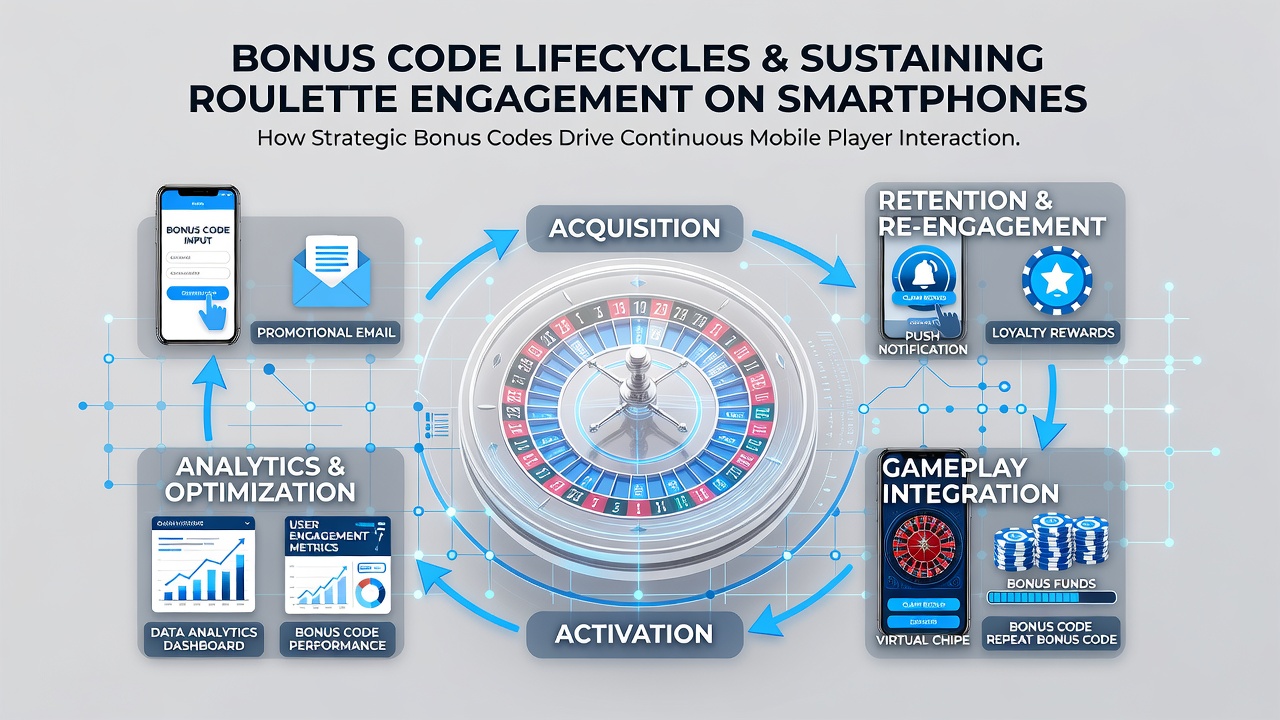
Geolocation features on mobile devices further tie into these lifecycles by allowing operators to send region-specific codes that activate during travel or local events, and this adds another layer of timing that keeps roulette engagement tied to daily movement patterns. Players who receive codes with staggered release dates often maintain accounts across multiple apps, rotating between platforms as one code enters expiration and another begins its cycle.
Data Patterns Across Mobile Roulette Ecosystems
Industry reports from the American Gaming Association indicate that bonus codes with multi-phase structures appear more frequently in markets where smartphone penetration exceeds seventy percent, and these codes correlate with extended player retention metrics. Retention data shows drops when codes lack clear lifecycle endpoints, because users lose the structured incentive to log in repeatedly. Figures from platform dashboards reveal that codes expiring within ten days generate concentrated bursts of activity, whereas those spanning three to four weeks distribute engagement more evenly across the month.
Case examples from major operators demonstrate that lifecycle management involves A/B testing different validity periods against roulette game variants, with results guiding adjustments to wagering multipliers or game restrictions. When codes restrict use to specific roulette tables or live dealer streams, the lifecycle encourages exploration of new features within the app rather than repetition of familiar spins.
Regulatory Influences on Code Lifecycle Design
Regulatory frameworks in various jurisdictions shape how lifecycles are constructed, since rules around bonus transparency and player protection require clear disclosure of expiration dates adn wagering conditions. Operators adjust lifecycle lengths to comply with these standards while still achieving engagement goals, and mobile apps incorporate compliance prompts that appear when players approach requirement thresholds. Reports compiled by the New Jersey Division of Gaming Enforcement highlight how documented lifecycle parameters help reduce disputes over bonus terms on smartphone platforms.
Conclusion
Bonus code lifecycles operate as sequenced mechanisms that distribute incentives across time, and their application to smartphone roulette sustains engagement by matching code phases with user access patterns and device capabilities. Platform data continues to track how variations in issuance timing, wagering duration, and expiration reminders influence session frequency and account activity, providing operators with measurable indicators for refining future code structures.