Banking Checks and Free Roulette Play: Exploring Verification Ties in British Casino Offers
Sofia Patterson · Jun 3, 2026
Banking Checks and Free Roulette Play: Exploring Verification Ties in British Casino Offers
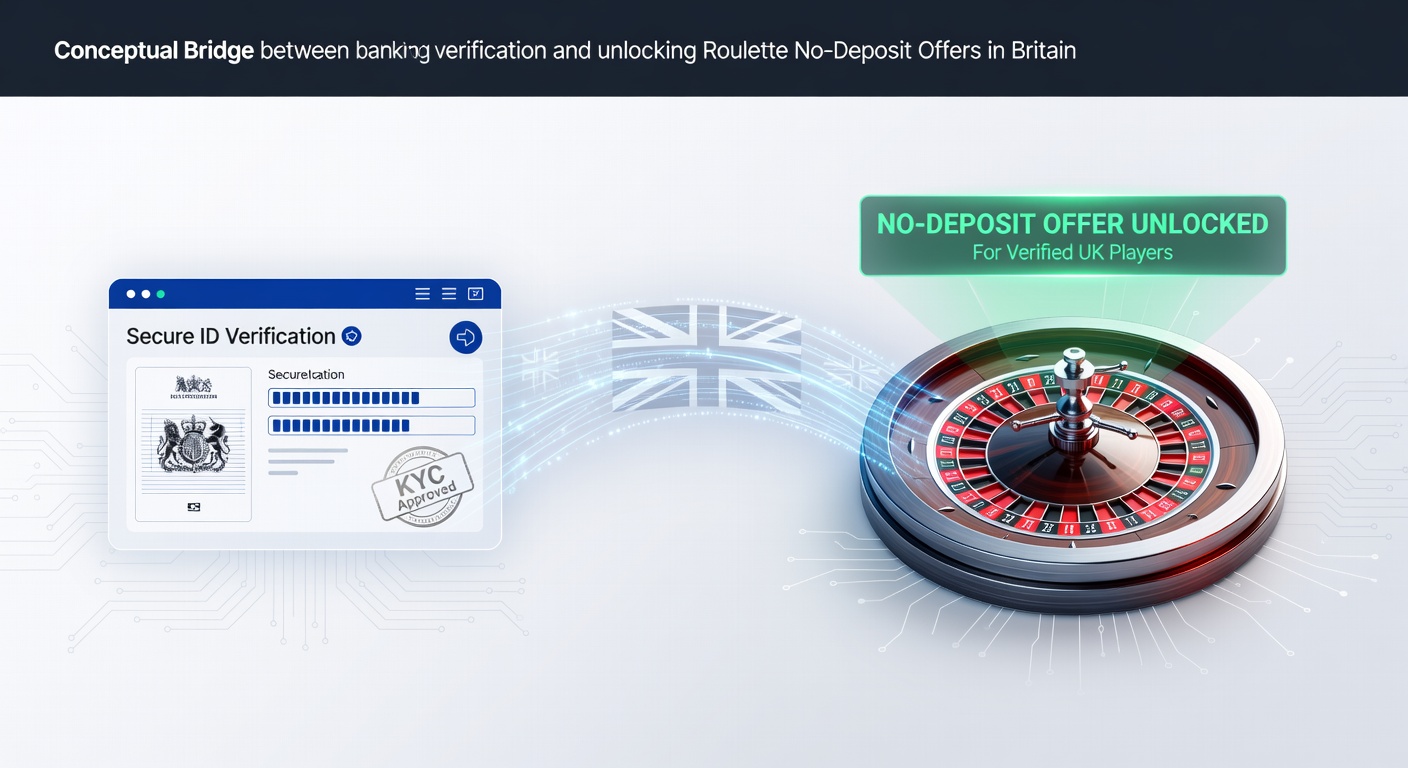
British players seeking to access roulette no-deposit offers encounter verification steps that link directly to banking protocols, and these processes ensure compliance while enabling bonus activation across digital platforms. Financial institutions in Britain require identity confirmation through documents such as passports or driving licences, and this same documentation often serves casino operators when releasing promotional credits for roulette without initial deposits.
Core Elements of Banking Verification Procedures
Verification begins when users register accounts at financial providers, where address details, date of birth, and government-issued identification undergo cross-checks against official records, while electronic methods like open banking allow secure data sharing that speeds up confirmation. Casinos operating in Britain mirror these steps because regulatory frameworks demand age and identity validation before any funds, including bonus amounts, become accessible for games like roulette, and this overlap means players who complete banking checks frequently find their casino profiles advance more quickly toward unlocked offers.
Data from industry reports indicates that platforms integrate banking APIs to streamline these checks, and players who maintain verified bank accounts report fewer delays when redeeming no-deposit roulette promotions. In June 2026 several operators introduced enhanced digital verification tools that pull real-time information from bank feeds, reducing manual document uploads while maintaining security standards.
How No-Deposit Roulette Offers Depend on Verified Status
No-deposit offers for roulette typically appear as free credits or spins that require account verification before activation, and banking processes provide the foundation because withdrawal requests later demand the same confirmed details to release any winnings generated from those bonuses. Operators examine payment method ownership to prevent fraud, which means a bank account verified through standard procedures directly supports the release of promotional roulette funds without deposits.
Observers note that when players link verified bank cards or accounts during casino sign-up, the system often auto-matches identity data and accelerates bonus eligibility, whereas unverified banking details create bottlenecks that block access to free play options. Research from the Australian Gambling Research Centre highlights how integrated verification systems across jurisdictions reduce processing times by up to 40 percent in similar markets.
Practical Connections During Account Setup and Bonus Claims
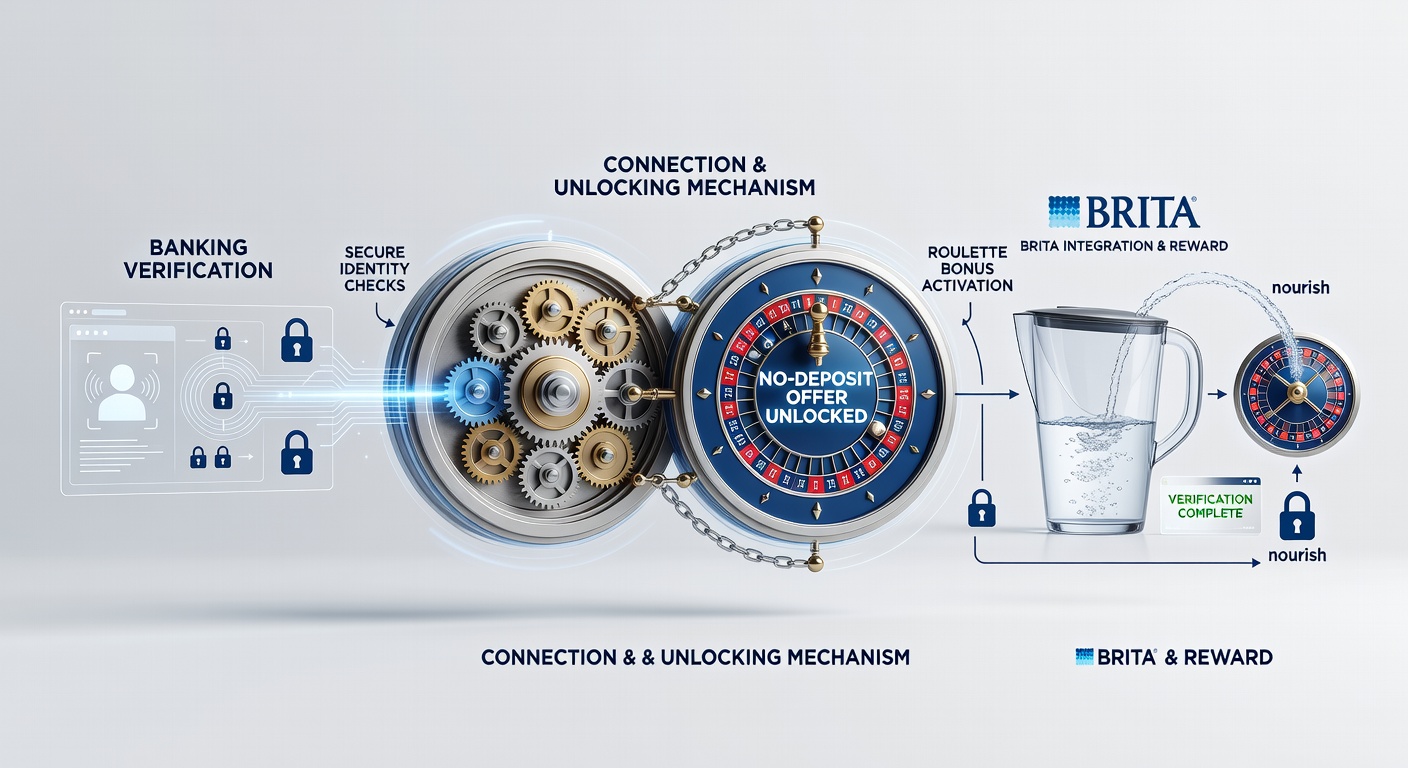
During registration a player enters banking credentials that trigger automated checks, and these checks simultaneously satisfy casino requirements for no-deposit roulette offers because both sectors prioritise fraud prevention adn responsible access controls. Once verified, the account status updates across connected systems, allowing the roulette bonus to appear in the player dashboard ready for use at live or digital tables.
One documented case involved a British user who completed open banking verification through a major high-street bank and then unlocked a no-deposit roulette package within minutes rather than waiting days for manual review. Such examples demonstrate how banking verification serves as the gateway that operators rely upon when distributing promotional credits.
Regulatory Alignment and Industry Practices in 2026
British financial regulations and gambling oversight share common goals around consumer protection, and this alignment encourages casinos to accept banking verification outputs as proof of identity when granting roulette promotions. In June 2026 several platforms updated their systems to accept open banking confirmations as primary verification, cutting down on repeated document submissions for players claiming multiple no-deposit offers.
Industry organisations such as the European Gaming and Betting Association have published guidance on harmonising verification methods, and operators that follow these recommendations report smoother bonus distribution flows. Players who maintain consistent banking records across institutions therefore experience fewer interruptions when moving between different roulette platforms and their associated promotional campaigns.
Challenges Players Encounter and Resolution Patterns
Mismatched address records between bank and casino profiles create the most common delays, yet updating one verified source usually propagates corrections through linked systems and restores access to pending roulette offers. Payment method restrictions also surface when certain banking products fall outside accepted categories, prompting players to switch to verified alternatives that support instant bonus activation.
Those who have studied these workflows know that proactive verification at the banking stage prevents most roadblocks, and data shows operators respond faster to accounts already cleared through financial channels. Additional resources from the National Council on Problem Gambling in the United States outline broader patterns in verification efficiency that apply across online gaming environments.
Conclusion
Banking verification processes and roulette no-deposit offers in Britain remain tightly connected through shared identity and compliance requirements, and players who navigate these steps efficiently gain quicker entry to promotional play. Continued integration of digital banking tools in June 2026 and beyond is expected to further reduce friction while preserving security standards across both sectors.